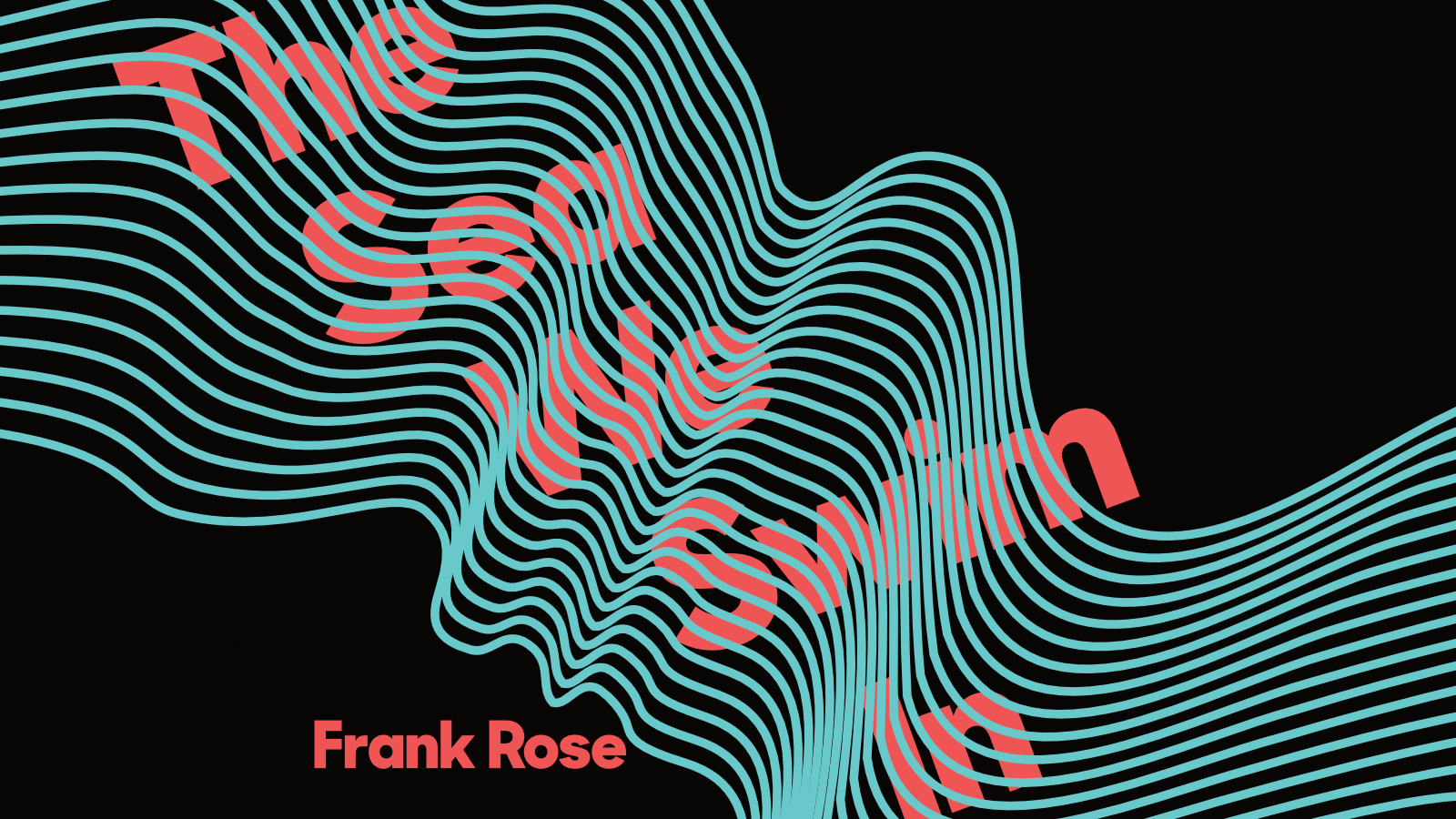





WE SWIM IN A SEA OF STORIES — stories that determine how we comprehend the world, that define our personal lives, our professional lives, our goals and ambitions and ideals. They can control us, or we can control them — if we know how they work. LEARN MORE…

Books by Frank Rose
In a series of nonfiction books on a range of topics, Frank Rose shows how our view of ourselves as individuals is changing in response to the shifting rules, expectations and power structures. While his early books focus on specific subcultures and rivalries — in academia, in Silicon Valley, in Hollywood — in his later work he shows how cultural and technological forces are rewiring our sense of self and our perception of reality.
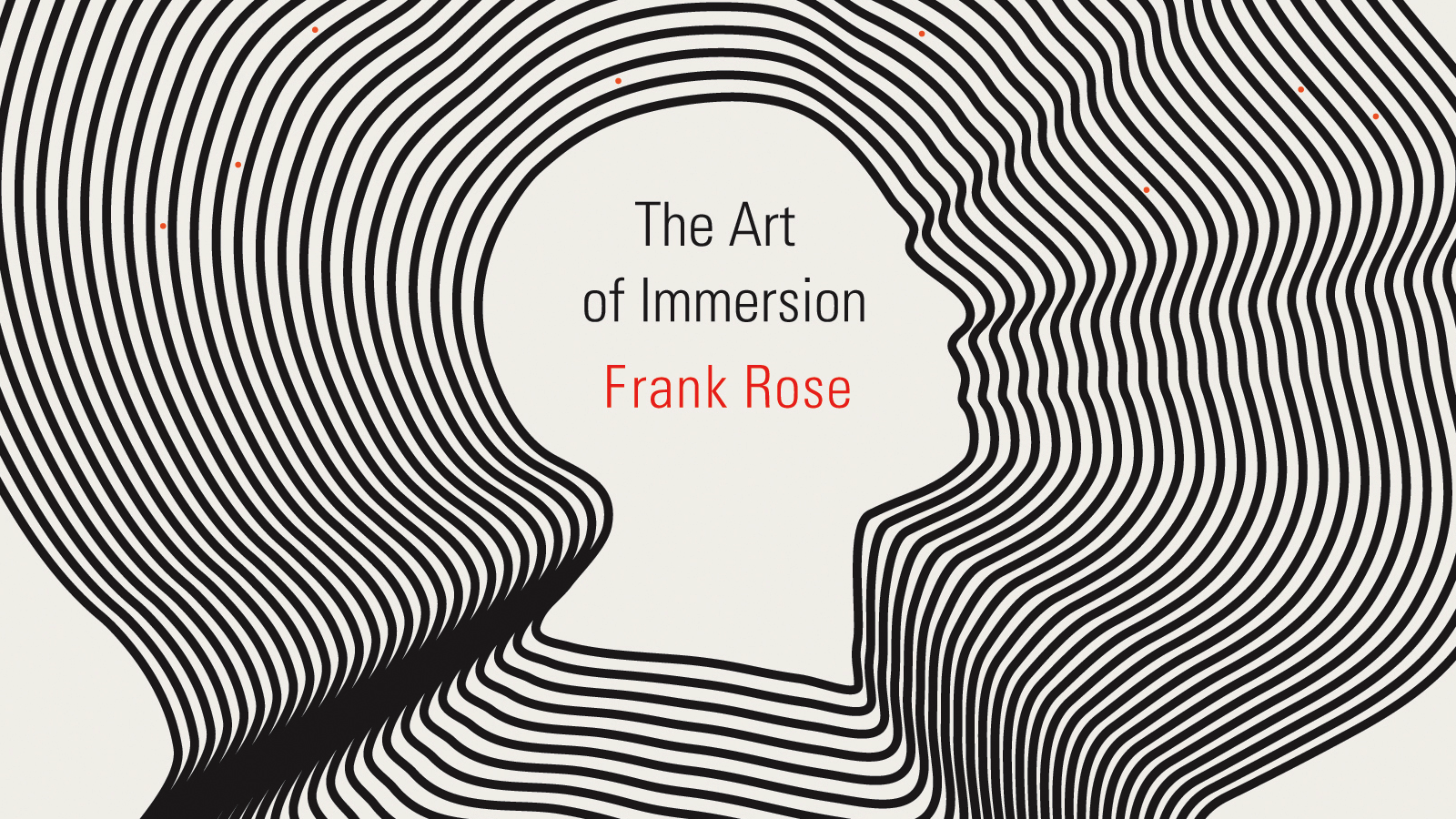
NOT LONG AGO WE WERE passive consumers of mass media. Now we approach television, movies, even advertising as invitations to participate. We are witnessing the emergence of a new form of narrative that is native to the Internet. LEARN MORE…
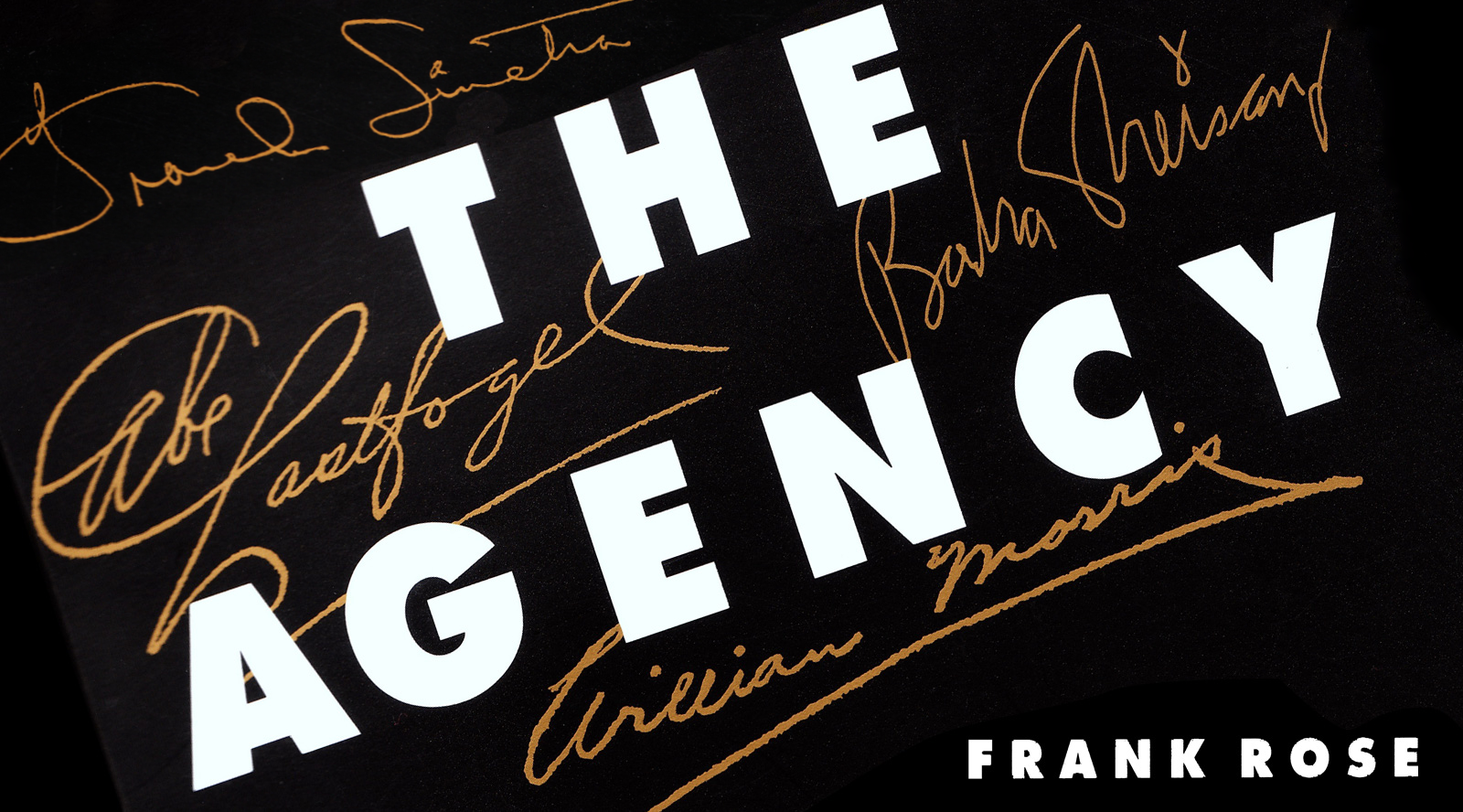

FOR DECADES, the Morris agency made deals that determined the fate of stars, studios, and television networks alike. But everything changed after the agency’s president dismissed his own best friend, the man who’d brought Barry Diller and Michael Ovitz out of the mailroom. A multi-generational saga of loyalty and betrayal in Hollywood. LEARN MORE…

IT SEEMS UNTHINKABLE TODAY—but forty-odd years ago, when personal computers were still new and the World Wide Web had yet to be invented, Steve Jobs was cast out of Apple. And it wasn’t just Wall Street that applauded—it was most of Silicon Valley. LEARN MORE…
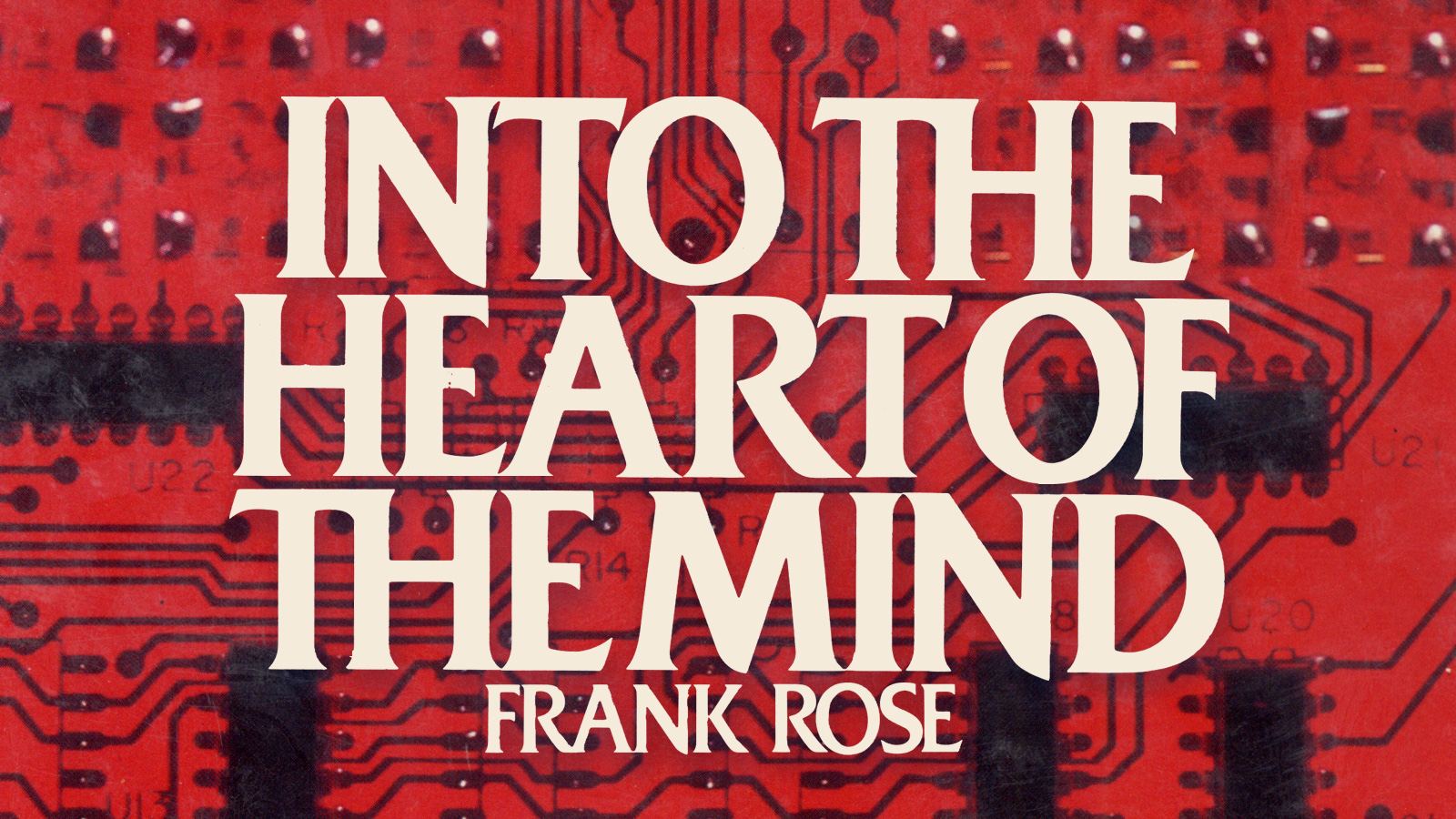
IN A CRAMPED LABORATORY at Berkeley, scientists are trying to teach a computer to think — to reason, remember and exhibit common sense. To make it work, they need to codify the entirety of human thought. But first they have to get their machine to put on a raincoat before going out in the rain. LEARN MORE…

THIS IS A BOOK ABOUT BEING MALE. About power and discipline, sex and violence, and the roles they play in the lives of American men. Think of it as a personal and idiosyncratic survey designed to produce not statistical data but individual answers to the question of what it means to be a man. LEARN MORE…